


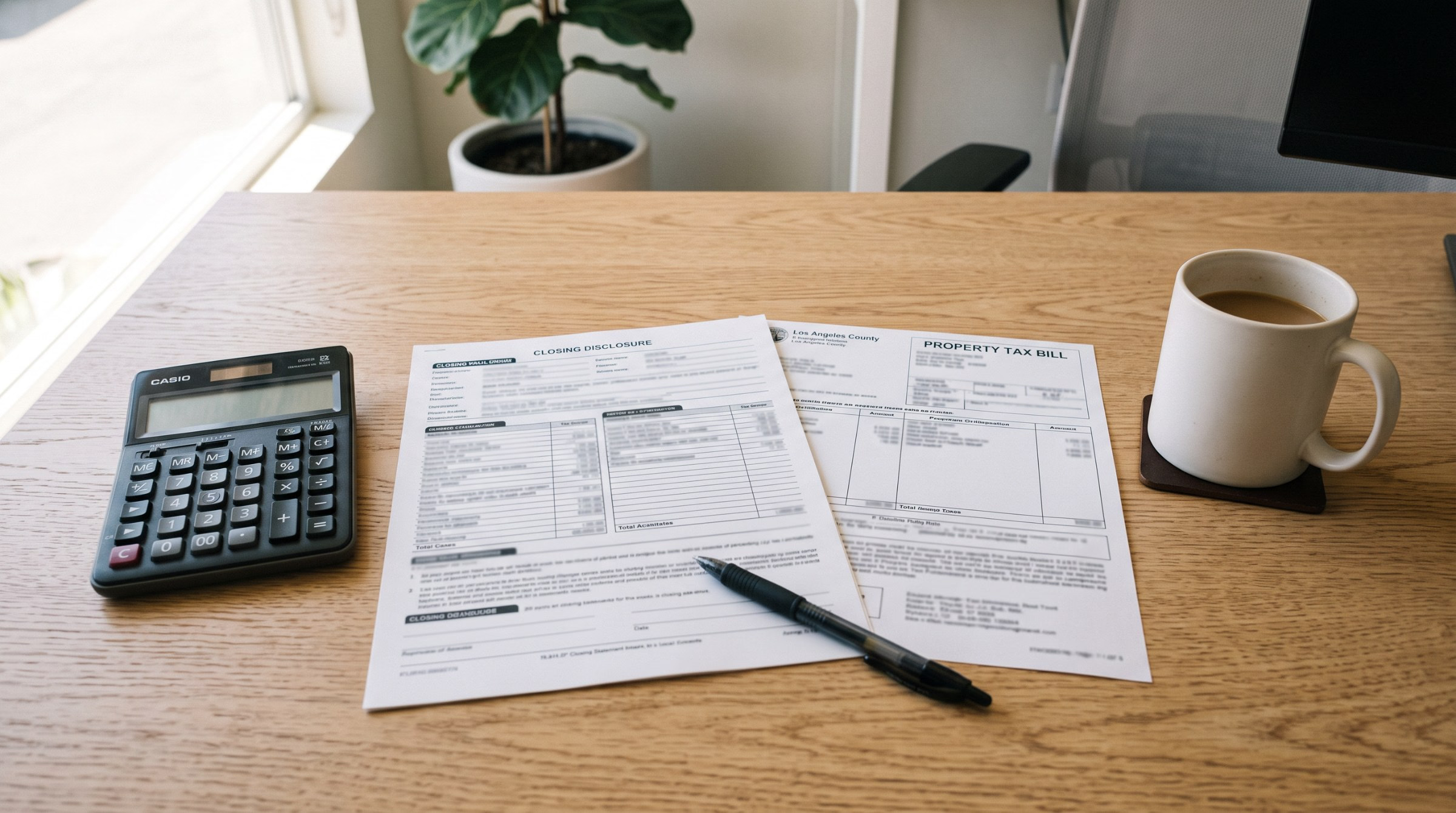
If you’ve ever bought or sold a home and looked closely at your closing paperwork, you’ve probably seen line items that made you pause. Numbers for property taxes, insurance premiums, homeowners association dues, mortgage interest, or rental income split between buyer and seller. That’s proration in action.
Proration is one of those real estate concepts that sounds technical but is actually simply rooted in fairness. It ensures that everyone pays only their share of property expenses and receives only what they’re entitled to up to the closing date. Still, for many buyers and sellers, it’s confusing, especially during an already stressful real estate closing process.
This guide is designed to be your go-to resource for prorated real estate expenses. We’ll explain what proration is, how the process works, the different types of prorated real estate items, how to calculate them, and the critical role escrow plays in making sure everything is accurate.
What Is Proration in Real Estate? Meaning & Definition
In general terms, proration refers to the process of proportionally adjusting a cost or payment to reflect partial usage, ensuring fair billing for periods that don't align with a full billing cycle. This is commonly seen in subscriptions, rent, or utilities – e.g., instead of paying for a full month, you only pay for the days you actually used the service, preventing overcharging and promoting fairness. So, how does this translate to real property?
In real estate, proration is the process of dividing property expenses or income between the home seller and the buyer based on time. The idea is simple: each party pays for the period they own or occupy the property. If a seller owns the home for part of the year and the buyer owns it for the rest, certain expenses like property taxes, homeowners' association fees, or insurance premiums must be split accordingly.
In other words, proration ensures fairness at the sale transaction closing. No one overpays. No one gets shorted.
Why Prorations Matter in Real Estate Transactions
Prorations in real estate matter because most property expenses don’t conveniently reset on closing day. Property taxes are billed annually or semi-annually. HOA dues may be monthly or quarterly. Insurance policies are paid in advance. Mortgage interest is paid in arrears.
Without prorations, one party would end up paying for time they didn’t own the property, which can quickly turn into thousands of dollars. During the real estate closing process, these adjustments help keep the transaction balanced and legally sound.

Written by Lightspeed EscrowLicensed escrow company in Covina, CA



 Start your escrow
 Licensed by the California DFPI